
Getting Started with Algorithmic Trading Bots

Introduction to Algorithmic Trading
Algorithmic trading has revolutionized how traders interact with financial markets. By automating trading decisions based on predefined rules, traders can execute strategies with precision and consistency that manual trading simply cannot match.
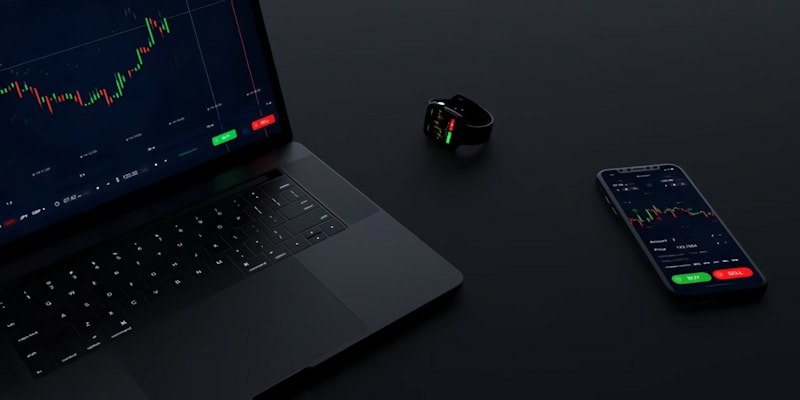
In this comprehensive guide, we'll explore everything you need to know to get started with algorithmic trading bots, from understanding the basics to implementing your first strategy.
Why Use Trading Bots?
The advantages of algorithmic trading extend far beyond simple automation:
-
Emotion-Free Trading: Bots execute based on logic, not fear or greed. Human emotions are one of the biggest obstacles to successful trading.
-
24/7 Market Coverage: Never miss a trading opportunity, even while you sleep. The forex market operates around the clock, and your bot can too.
-
Backtesting Capabilities: Test strategies on historical data before risking real money. This is impossible with manual trading.
-
Consistent Execution: No hesitation or second-guessing. Every trade is executed exactly according to your rules.
-
Speed: Algorithms can analyze market conditions and execute trades in milliseconds.

Understanding the Basics
Before diving into bot creation, it's essential to understand the fundamental concepts:
What is an Expert Advisor (EA)?
An Expert Advisor is an automated trading program that runs on MetaTrader platforms (MT4/MT5). It can:
- Monitor price movements in real-time
- Analyze technical indicators
- Open and close trades automatically
- Manage risk according to your parameters
Key Components of a Trading Bot
Every successful trading bot consists of these essential elements:
- Entry Logic: Conditions that trigger a new trade
- Exit Logic: Rules for closing positions (take profit, stop loss)
- Position Sizing: How much to risk on each trade
- Risk Management: Drawdown limits, maximum positions, etc.
Getting Started: Your First Steps
To begin your algorithmic trading journey, follow these steps:

Step 1: Define Your Trading Strategy Clearly
Before writing a single line of code, you need a clear, testable strategy:
- What market conditions trigger an entry?
- Where will you place your stop loss?
- What is your profit target?
- How will you size your positions?
Step 2: Set Risk Management Parameters
Risk management is non-negotiable:
- Maximum risk per trade (1-2% recommended)
- Maximum daily drawdown
- Maximum number of concurrent trades
- Position sizing rules
Step 3: Start with Demo Accounts
Never trade live with an untested strategy:
- Use demo accounts for initial testing
- Run for at least 30-60 days
- Ensure consistent results across different market conditions
Step 4: Monitor and Adjust Based on Results
Trading is an iterative process:
- Keep detailed logs of all trades
- Analyze performance metrics regularly
- Adjust parameters based on real-world results
Best Practices for Success

Follow these proven best practices:
- Always use stop-loss orders: Protect your capital from unexpected market moves
- Never risk more than 2% per trade: This ensures you can survive losing streaks
- Diversify across multiple strategies: Don't put all eggs in one basket
- Keep detailed trading journals: Document everything for future learning
- Stay updated on market news: Be aware of events that could impact your strategy
- Regularly review and optimize: Markets change, your strategy should evolve
Common Mistakes to Avoid
Learn from others' mistakes:
- Over-optimization: Creating a strategy that only works on past data
- Ignoring transaction costs: Spreads and commissions eat into profits
- Insufficient testing: Going live too quickly without proper validation
- Emotional interference: Overriding your bot based on gut feelings
- Poor risk management: Taking excessive risks for higher returns
Conclusion
Remember, successful algorithmic trading is a marathon, not a sprint. Take time to learn, test, and refine your approach. Start small, focus on consistency, and gradually scale up as you gain confidence and experience.
The journey of a thousand pips begins with a single trade. Good luck!