
Understanding Drawdown and Recovery in Automated Trading

Drawdown is one of the most important metrics in trading, yet it's often misunderstood. For automated trading systems, properly managing and understanding drawdown is crucial for long-term survival and success.
What is Drawdown?
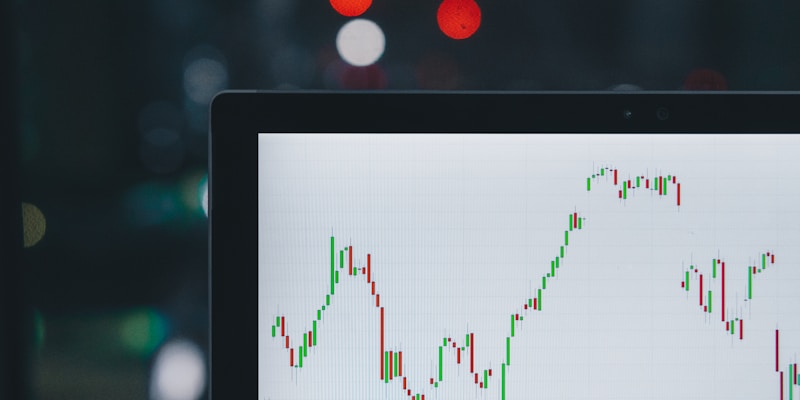
Drawdown measures the decline from a peak in your account equity to a subsequent trough. It's typically expressed as a percentage:
Drawdown % = (Peak - Trough) / Peak × 100
For example, if your account grows from $10,000 to $15,000, then drops to $12,000:
- Peak: $15,000
- Trough: $12,000
- Drawdown: ($15,000 - $12,000) / $15,000 = 20%
Types of Drawdown
- Absolute Drawdown - Decline from initial capital
- Maximum Drawdown - Largest peak-to-trough decline ever
- Relative Drawdown - Maximum drawdown as percentage of peak equity
The Recovery Challenge
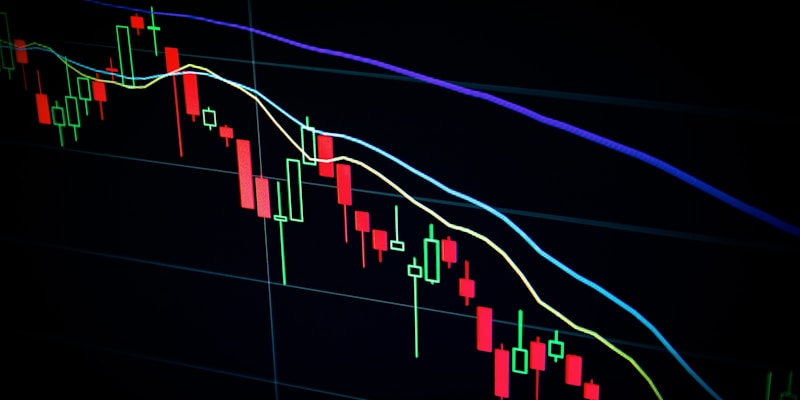
The mathematics of recovery is sobering:
| Drawdown | Recovery Needed | |----------|-----------------| | 10% | 11.1% | | 20% | 25% | | 30% | 42.9% | | 40% | 66.7% | | 50% | 100% | | 60% | 150% |
A 50% drawdown requires a 100% gain just to break even. This asymmetry is why professional traders focus intensely on limiting drawdowns.
Managing Drawdown in Trading Bots
Position Sizing Based on Drawdown
Implement dynamic position sizing that reduces exposure during drawdowns:
double CalculateLotSize(double riskPercent) {
    double currentDD = GetCurrentDrawdown();

    // Reduce position size during drawdown
    if(currentDD > 10) riskPercent *= 0.75;
    if(currentDD > 20) riskPercent *= 0.5;
    if(currentDD > 30) riskPercent *= 0.25;

    return NormalizeDouble(AccountBalance() * riskPercent / StopLossPips, 2);
}
Circuit Breakers
Implement automatic trading pauses:
- Daily Loss Limit - Stop trading after X% daily loss
- Weekly Loss Limit - Pause for remainder of week
- Maximum Drawdown - Complete shutdown if exceeded
Psychological Aspects of Drawdown
Even with automated trading, drawdowns affect trader psychology:
- Temptation to override the bot
- Desire to increase risk to recover faster
- Doubt about the strategy's viability
The Recovery Mindset
- Accept that drawdowns are normal - Every strategy experiences them
- Trust your backtesting - If properly tested, drawdowns were expected
- Avoid revenge trading - Don't manually interfere
- Review, don't react - Analyze after emotions settle
Setting Realistic Expectations
A healthy trading bot might experience:
- 15-25% maximum drawdown annually
- 5-10% drawdown monthly during rough periods
- Recovery periods of 1-3 months
If your backtesting shows 5% max drawdown, expect 2-3x that in live trading due to slippage, spread variations, and market condition changes.
Best Practices
- Define your maximum acceptable drawdown before going live
- Implement automatic position reduction during drawdowns
- Keep detailed logs of drawdown periods for analysis
- Have a clear plan for when maximum drawdown is reached
Understanding and respecting drawdown is what separates successful automated traders from those who blow their accounts.